
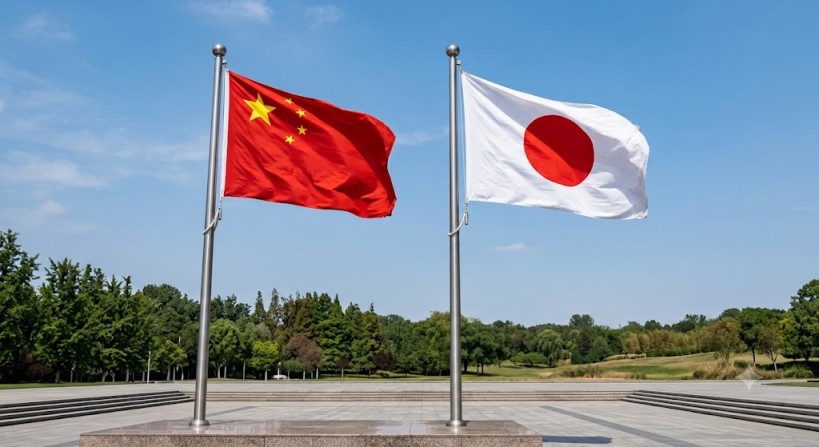
In a move that underscores rising tensions in East Asia, China has imposed new export controls on 40 Japanese entities, citing their alleged role in bolstering Japan’s military prowess and “remilitarization” efforts. The restrictions target 20 Japanese companies and divisions, including those associated with major firms, by blocking the sale of certain dual-use goods that have both civilian and military applications from Chinese and foreign exporters.
An additional 20 Japanese entities have been placed on a watch list, obligating exporters to obtain special approvals. These exporters must also conduct risk assessments and verify that their products will not be used for military purposes. China’s decision, it claims, is a response to what it perceives as Japan’s expanding military ambitions, particularly as Tokyo enhances its defensive capabilities with long-range weaponry and forges closer security ties with other nations.
Japan has denounced the export controls as unacceptable, urging China to retract the measures. Japanese authorities have announced plans to assess the implications of these restrictions and contemplate suitable countermeasures. The diplomatic friction between the two nations has intensified, particularly following Japan’s efforts to broaden its defense strategies and enhance its military strength, a stance that Beijing has consistently criticized, especially concerning issues related to Taiwan.
Observers suggest that while China’s export controls may serve as a diplomatic signal rather than a sweeping economic sanction, they come at a time when Sino-Japanese relations are increasingly tenuous against a backdrop of broader regional security challenges. The strategic maneuvering by both nations highlights the complex interplay of military and diplomatic considerations in shaping the future of their bilateral relations.