
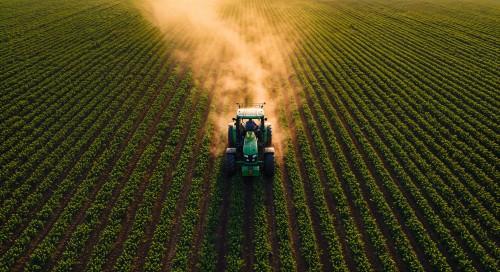
In a bid to bolster its agricultural and rural sectors over the next five years, China’s State Council has unveiled a comprehensive plan aimed at modernizing these areas from 2026 to 2030. Central to this strategy is the enhancement of food security, the elevation of agricultural productivity, and the improvement of living conditions in rural communities. These efforts align with China’s broader goals of modernization, including the strengthening of its agricultural sector’s quality and competitiveness while building on past successes in reducing poverty.
One of the pivotal objectives set out in this plan is to raise the nation’s grain production capacity to approximately 725 million tonnes by the end of the decade. The plan also underscores the importance of maintaining a high pass rate for routine quality and safety inspections of agricultural products, targeting a benchmark of 98 percent or higher. This initiative extends to various sectors, including meat production, green agricultural practices, rural sewage management, and technological innovation, all aimed at enhancing farmers’ income and sustainable practices.
The Chinese government emphasizes the importance of advancing agricultural science and technology, promoting modern farming techniques, and ensuring a steady supply of essential food products. The plan aims to meet the rising consumer demand for healthier and higher-quality food items by transforming agriculture into a more sophisticated and sustainable industry. This transformation seeks to balance development efforts between urban and rural regions, fostering a more equitable growth trajectory.
To achieve these ambitions, key initiatives include the expansion of high-standard farmland, bolstering agricultural research and innovation, and enhancing cold-chain logistics infrastructure. Additionally, the plan supports the integration of artificial intelligence into farming, the modernization of agricultural product processing, and the promotion of eco-friendly farming practices. Emerging sectors, such as intelligent breeding technologies and new-energy agricultural machinery, will also receive significant attention to drive innovation and efficiency in agriculture.
Building on recent achievements, China aims to leverage technological advancements to propel its agricultural sector forward. In 2025, the country’s grain output surpassed 715 million tonnes for the second consecutive year, highlighting the sector’s resilience. Scientific and technological progress has been a cornerstone of this development, contributing over 64 percent to agricultural growth. By 2030, China aspires to increase this contribution to 67 percent, further cementing technology’s role in its agricultural strategy.