
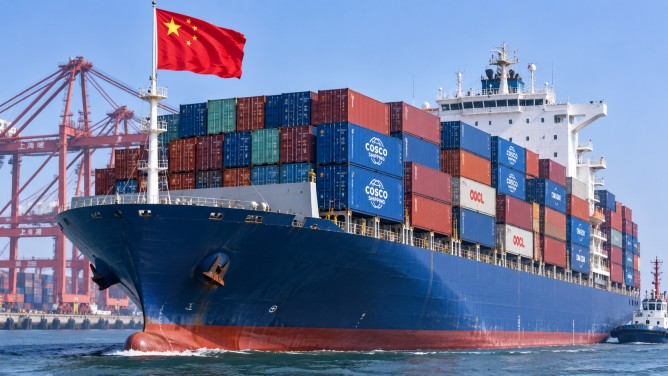
In a move to bolster its industrial advancement and satisfy the growing appetite of its consumers, China is set to widen its import portfolio under its upcoming 15th Five-Year Plan (2026–2030). The country plans to focus on bringing in advanced technologies, critical industrial components, energy resources, and premium agricultural goods. This initiative, outlined by the General Administration of Customs, is also geared towards diversifying the nations from which China sources its imports, thereby supporting modernization efforts and enhancing the variety of quality products available to Chinese consumers.
The first half of the year saw China’s imports and exports achieving double-digit growth, with imports expanding at a faster pace than exports. This trend is attributed to the burgeoning domestic demand for state-of-the-art equipment, cutting-edge technology, and consumer goods. In response to this demand, China aims to facilitate easier market access for international agricultural and food products by simplifying quarantine and import approval processes. Since the beginning of the year, the nation has granted market access to 264 types of agricultural and food products from 79 additional countries, broadening its import sources to over 150 countries and regions worldwide.
This strategic direction underscores China’s dedication to enhancing market openness, diversifying trade partnerships, and strengthening global economic collaboration. By increasing its imports, China is not only addressing the need for industrial upgrading and high-quality consumer goods but is also paving the way for new opportunities for international exporters. This approach is expected to stimulate the global economic landscape by creating a wider platform for foreign businesses to engage with China’s expanding consumer market.
Chinese experts emphasize that the strategy aligns with the nation’s broader economic objectives, reflecting a commitment to fostering a more open and interconnected global trade environment. By doing so, China anticipates that the growth in domestic consumption will continue to offer lucrative opportunities for businesses worldwide, facilitating a mutually beneficial economic relationship.