
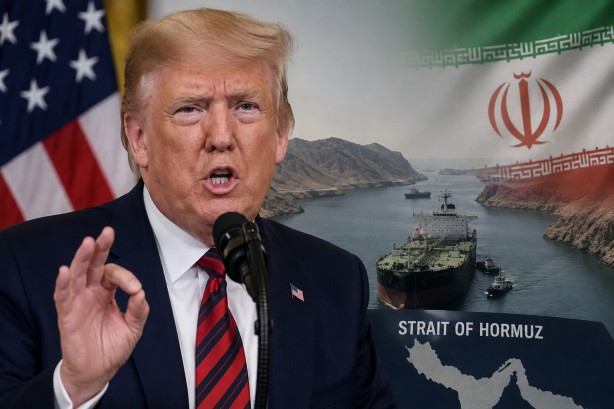
In a tense escalation of regional dynamics, Iran has issued a stern warning to Gulf states, cautioning that any new military action by the United States on its soil would provoke retaliatory strikes against vital energy infrastructure throughout the Gulf. This message was reportedly conveyed by Iranian Foreign Minister Abbas Araqchi during discussions with high-ranking officials from Saudi Arabia, Qatar, Turkey, and Pakistan. Iran’s focus in these talks was to enlist the help of its regional allies in persuading Washington to steer clear of further military confrontations.
The backdrop to these developments includes recent threats from US President Donald Trump, who has suggested targeting Iran’s energy infrastructure. While Iran has emphasized that diplomatic solutions remain its preferred course of action, it has also made clear its readiness to respond with force if necessary. This stance underscores the intensifying tensions that have captured global attention, as nations in the region and beyond watch closely.
Saudi Arabia, a key player in the region, has reportedly advocated for prioritizing diplomatic negotiations over military measures. While it has expressed a desire to avoid exacerbating the conflict, Saudi Arabia has also affirmed its preparedness to defend itself against any attacks. This dual approach highlights the delicate balance regional powers are trying to maintain amid escalating threats.
The warning from Iran is particularly alarming due to the potential targets it has identified. These include oil facilities, refineries, power grids, water infrastructure, transport networks, and oil fields, all of which are crucial to the Gulf’s economic stability. The prospect of these sites being targeted in retaliation raises significant concerns about the potential for widespread disruption to energy supplies, which could have far-reaching implications for the global economy.
As tensions continue to simmer, regional leaders are increasingly advocating for diplomatic interventions to prevent an escalation into a broader conflict. The stakes are high, with the potential for destabilizing the global energy market and further inflaming regional tensions. The situation underscores the urgent need for a balanced approach that prioritizes negotiation and de-escalation in a region that remains a linchpin of global energy security.