
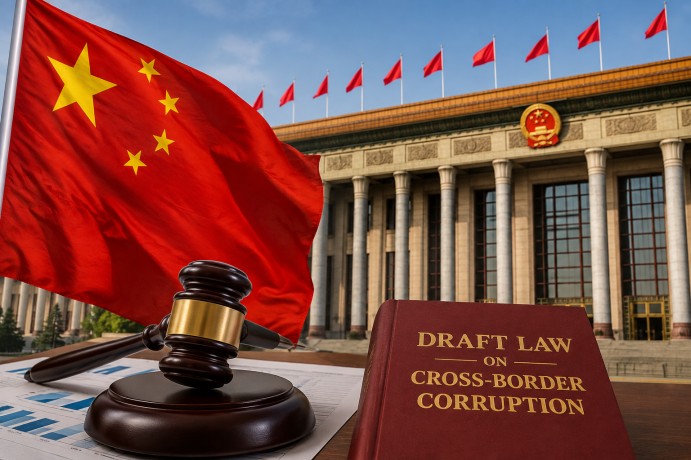
China’s National People’s Congress Standing Committee will examine a new draft law focused on curbing cross-border corruption during its upcoming session from August 25 to 28. This proposed law is a significant step in bolstering China’s anti-corruption measures and aims to enhance collaboration with other countries in tracking down officials and fugitives suspected of corruption who have fled abroad. The legislation is part of the prioritized legislative agenda for the current term of the NPC and is considered a key legislative focus for the year 2026.
Efforts to track down and bring back individuals accused of corruption have been ramped up by China. The country’s primary anti-corruption authority reported that in 2025, a total of 963 corrupt fugitives were successfully repatriated. This reflects a concerted effort by Chinese authorities to address corruption beyond its borders, ensuring that those who attempt to escape justice by leaving the country are still held accountable.
During the same legislative session, other significant areas will also receive attention from lawmakers. Draft legislation and amendments concerning various sectors are on the table for review. These include critical domains such as healthcare security, farmland protection, agriculture, national defense mobilization, banking regulation, water management, and road traffic safety. Each of these areas holds importance for the country’s ongoing development and security strategies.
The proposed anti-corruption law is indicative of China’s broader strategy to tighten its grip on corruption, which has been a persistent challenge for the government. By establishing frameworks for international cooperation and pursuing individuals who have managed to leave the country, China is working to close loopholes that allow corruption to thrive. The inclusion of this law as a legislative priority underscores its importance on the national agenda.