
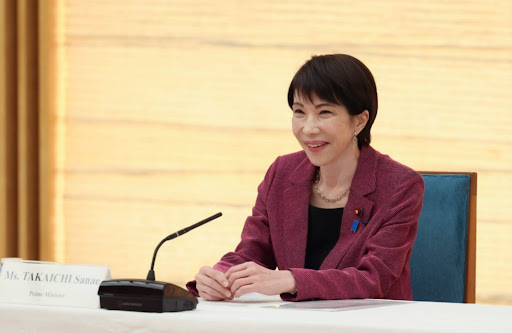
Japan has set a new standard for national energy crisis response, announcing the biggest-ever release from its strategic petroleum reserves — 80 million barrels to domestic refiners from Thursday — as the US-Israel conflict with Iran disrupts the flow of crude through the Strait of Hormuz. Prime Minister Sanae Takaichi’s announcement marks an historic activation of Japan’s emergency energy infrastructure, built up over decades of careful planning following the traumatic 1973 oil shock. The scale and speed of the response demonstrate a nation that has learned from past crises and prepared accordingly.
Japan’s 470 million barrel reserve — covering 254 days of consumption — is one of the largest strategic petroleum stockpiles in the world relative to domestic demand. The 80 million barrel deployment, equivalent to 45 days of consumption, is the largest single drawdown from these reserves in Japan’s history. It exceeds by 1.8 times the previous record set during the Fukushima nuclear disaster response in 2011.
Japan’s near-total dependence on Middle Eastern crude — over 90% of imports — makes the security of the Strait of Hormuz a vital national interest. The current conflict has raised credible fears that tanker traffic through this passage could be disrupted for a sustained period. The government’s rapid and large-scale response reflects a clear-eyed assessment of the risk and a determination to get ahead of any actual shortage.
Fuel subsidies capping gasoline at approximately ¥170 per litre — down from a record ¥190.8 — will be reviewed weekly. The government is committed to maintaining fuel price stability throughout the crisis. Consumer communications have also been deployed actively to prevent panic buying from amplifying real supply issues, with officials and industry groups working together to convey accurate information.
Japan’s diplomatic response has matched its economic response in speed and purposefulness. Takaichi declined Trump’s request for naval deployment while pledging intensive diplomacy to promote Middle East stability. Japan’s post-crisis energy planning, its constitutional foreign policy framework, and its diplomatic engagement all contribute to a response that others may look to as a model. Japan is handling this crisis with the tools — and the values — that decades of careful policy have built.